Define
Clarify the outcome, environment, constraints, evidence, and decision criteria.
Detect pedestrians and traffic events to create more responsive crossings and provide useful operational data for transport teams.
Discuss This Work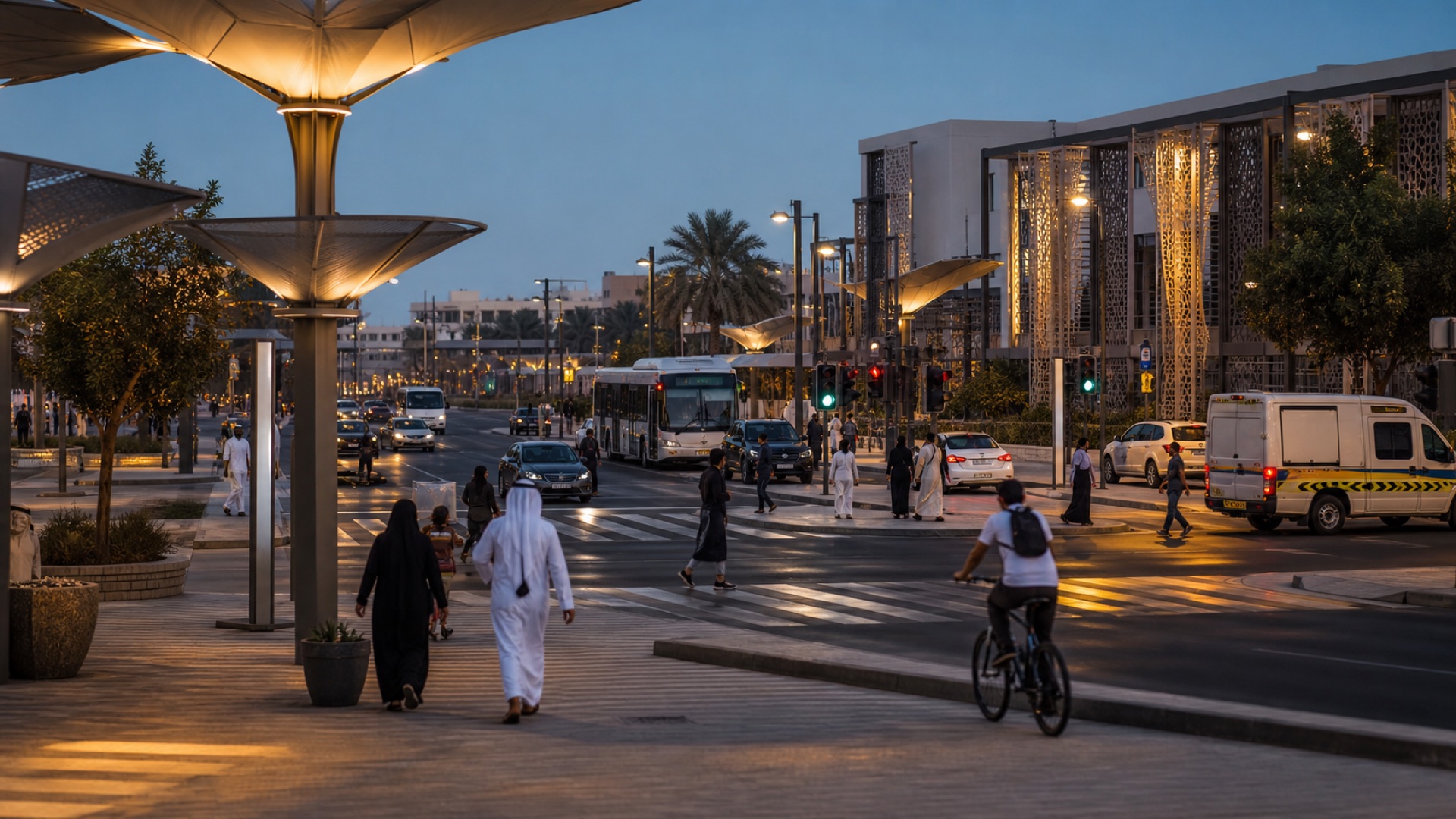
Video intelligence can create structured awareness of presence, movement, crossing activity, and defined near-risk conditions within the available camera view.
Each engagement is shaped around the environment, interfaces, governance, procurement path, and people responsible for operating it.
Pedestrian presence
Crossing activity
Traffic events
Near-risk conditions
Intersection awareness
Operational data for transport teams
P47.ai connects technical decisions to procurement clarity, deployment ownership, and measurable operating needs.
A focused process keeps technical, commercial, governance, and deployment decisions connected.
Clarify the outcome, environment, constraints, evidence, and decision criteria.
Design the technical, commercial, governance, and deployment model together.
Test critical assumptions in representative conditions before commitment.
Implement, document, hand over, and establish the support path.
A solution can be evaluated for pedestrian presence, crossing activity, vehicle movement, traffic events, and defined near-risk conditions within the available camera view.
Integration may be possible where interfaces, authority, safety cases, and governance permit. Any control function requires a separate engineering and approval scope.
No guarantee of accident or incident prevention is made. The system supplies operational awareness and data that transport teams can use in planning and response.
Bring the operating need, environment, and constraints. P47.ai will help define the next practical step.