Define
Clarify the outcome, environment, constraints, evidence, and decision criteria.
Detect falls, wandering, unusual inactivity, and emergencies to support faster intervention by care teams.
Discuss This Work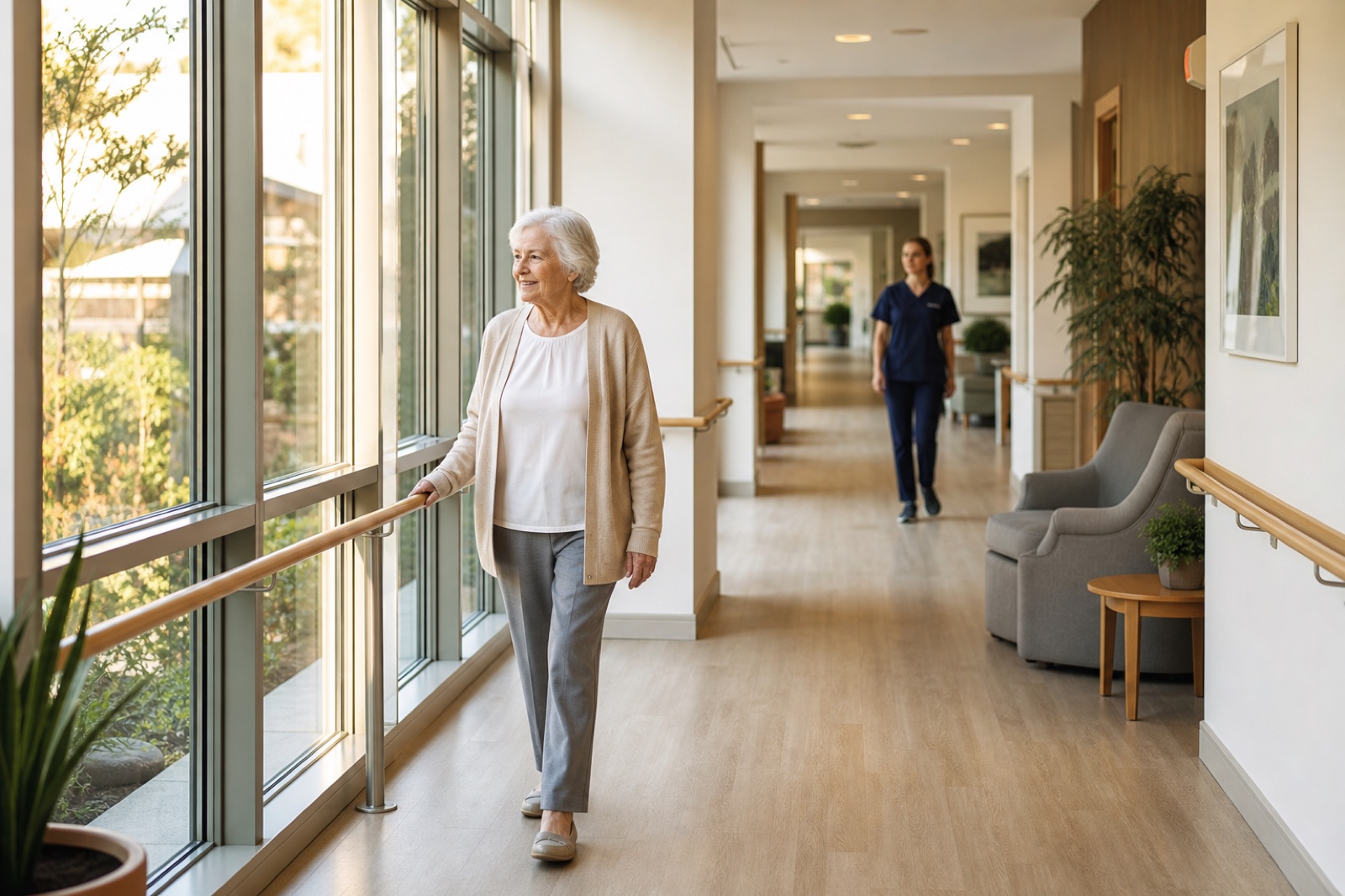
Privacy-aware monitoring can provide decision support for defined safety events while keeping caregivers, clinical systems, dignity, and human judgment central.
Each engagement is shaped around the environment, interfaces, governance, procurement path, and people responsible for operating it.
Fall-event awareness
Wandering
Unusual inactivity
Emergency awareness
Staff alerts
Privacy-aware monitoring
P47.ai connects technical decisions to procurement clarity, deployment ownership, and measurable operating needs.
A focused process keeps technical, commercial, governance, and deployment decisions connected.
Clarify the outcome, environment, constraints, evidence, and decision criteria.
Design the technical, commercial, governance, and deployment model together.
Test critical assumptions in representative conditions before commitment.
Implement, document, hand over, and establish the support path.
No medical claim is made. The solution is positioned as safety awareness and decision support, not as a replacement for caregivers, clinical judgment, or emergency systems.
Design choices can include private processing, limited retention, role-based access, restricted zones, and event-only outputs aligned to policy and applicable requirements.
Yes, subject to available interfaces and the agreed workflow. Alerts can be designed around defined events, escalation paths, and verification steps.
Bring the operating need, environment, and constraints. P47.ai will help define the next practical step.